Why is High Voltage Safety Training Now a Core Competency?
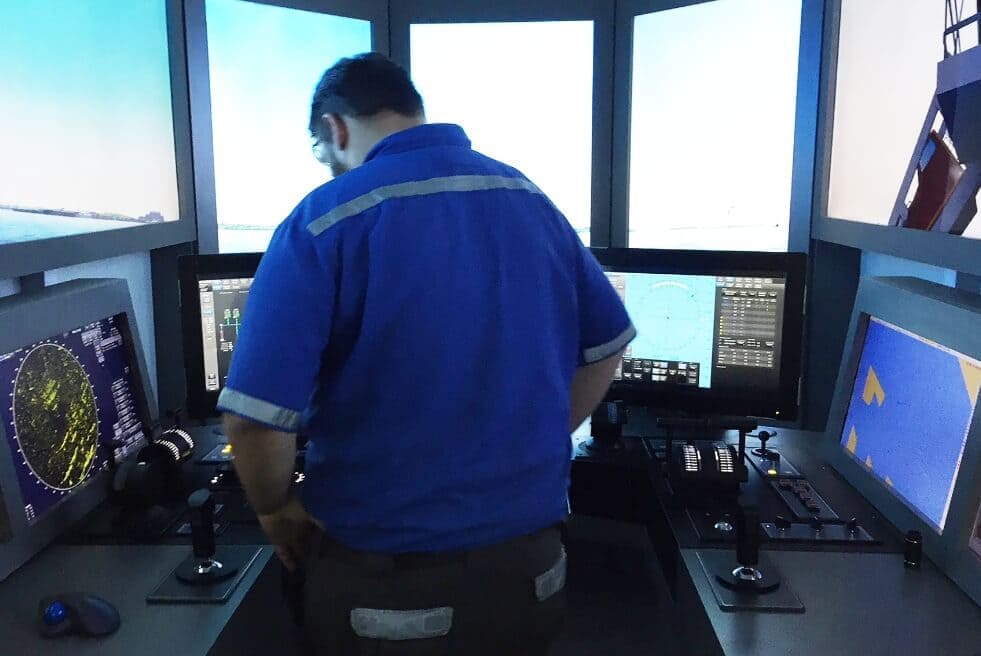
The silent, powerful pulse of high-voltage systems is joining the hum of a traditional marine engine. As the maritime industry pivots towards decarbonisation and greater efficiency, the electrical architecture on board is undergoing a profound transformation. This shift means that what was once a niche specialism is now a fundamental requirement.
Here’s why a high voltage course is no longer optional, but a core competency for modern seafarers.
Key Takeaways
- High voltage (HV) systems are now standard on modern vessels (from container ships to offshore support vessels), making specialised safety training essential for preventing serious injuries or fatalities.
- HV safety training is a regulatory requirement in shipping, with flag states and authorities, such as MPA Singapore, expecting certified training under STCW and international maritime safety standards.
- Proper training equips seafarers to identify HV hazards, follow lockout-tagout (LOTO) procedures, and perform risk assessments, reducing the likelihood of electrical accidents, arc flash.
The Electric Tide: A Shift in Onboard Power Systems
The move toward high-voltage (HV) systems on marine vessels is driven by several key factors. Larger, more complex ships, from cargo container vessels to advanced offshore support vessels, demand more power than traditional low-voltage systems can efficiently supply.
Furthermore, the industry’s commitment to environmental sustainability, guided by initiatives like the IMO’s targets for greenhouse gas reduction, is accelerating the adoption of electric and hybrid propulsion within fleets. These electrification regulations, alternators with greater output, and battery storage solutions all operate within the high-voltage spectrum (defined as being over 1,000V).
This technological leap brings immense benefits in efficiency and environmental compliance but also introduces a new level of operational risk.
The Unseen Dangers: Why Standard Procedures Are Not Enough
Working with high-voltage systems is fundamentally different from traditional electrical work on board. The risks are magnified, and the consequences of error are severe. The primary dangers include:
- Arc Flash: An explosive release of energy caused by an electrical fault, capable of causing fatal burns, pressure waves, and shrapnel.
- Electric Shock: At high voltages, the risk of fatal electrocution is exceptionally high, even without direct contact.
- Equipment Damage: An uncontrolled fault in a high-voltage system can lead to catastrophic equipment failure, resulting in blackouts, loss of propulsion, and costly repairs.
Standard low-voltage safety protocols are simply inadequate to mitigate these risks. Crew members, from maintenance personnel to chief engineers, must be equipped with maritime-specific HV safety training.
What a Comprehensive High Voltage Course Covers
A credible maritime safety training programme for HV operations is more than just a lecture; it is an intensive course designed to build both theoretical understanding and practical confidence. The typical duration of a high voltage course includes 3 days of classroom instruction and 1 day of practical training. The course is STCW-approved and recognised by DNV ensuring compliance with international maritime standards.
The goal is to create an authorised person capable of safely managing and performing daily maintenance on these complex systems. A robust training course should cover the following topics:
- Applicants must complete the student enrollment form to proceed with the registration process.
- The course holds the STCW approval type and is approved by DNVe, ensuring compliance with international maritime standards.
- For up-to-date information about course schedules and availability, prospective students should contact the provider directly.
Foundational Knowledge and System Documentation
Before any hands-on work, personnel must understand the principles of HV theory. This includes learning about the main HV system components, such as transformers, circuit breakers, and automatic voltage regulators. A critical part of this stage is learning to introduce system documentation and interpret complex schematics, ensuring every action is planned and informed.
Practical Skills and Safety Procedures
This is where theory meets application. Participants learn how to:
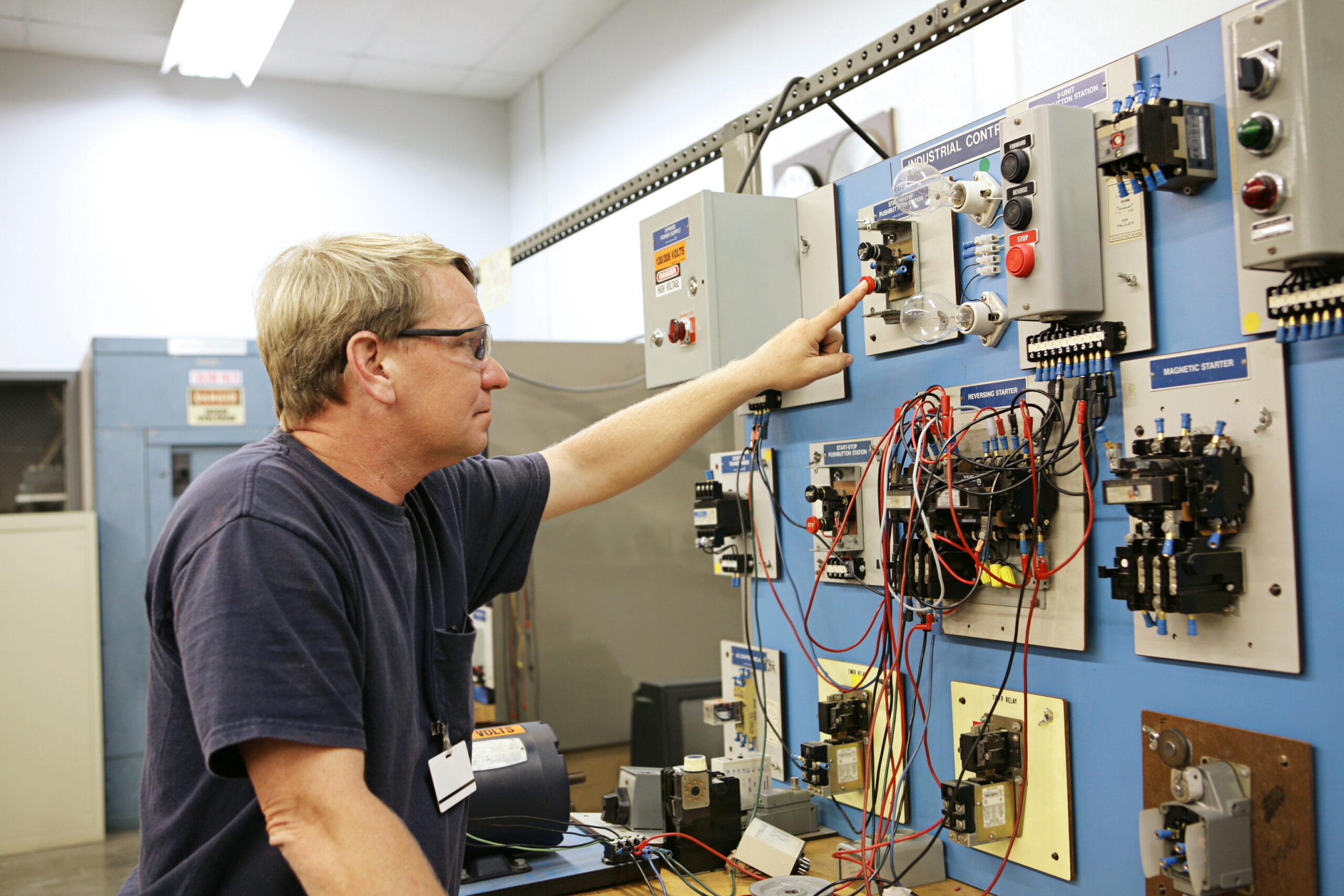
- Follow the correct procedure for isolating, locking out, and testing HV equipment.
- Gain practical, hands-on experience with marine medium-voltage switchgears.
- Understand the function and testing of HV protection systems and control relays.
- Perform periodic maintenance safely on critical components.
- Use appropriate Personal Protective Equipment (PPE) and specialised testing tools.
Competency, Certification, and Regulatory Matters
The course culminates in an assessment to verify competency. This typically involves a written examination where a minimum examination mark must be achieved. Upon passing, a certificate is issued to confirm the student’s success. Should there be an unsuccessful result, a reputable provider will offer a pathway to a re-test exam.
Trainees should review the received course material before retaking the exam. A soft copy of the course material is available for trainees to review at home. The re-test exam is typically scheduled within a standard number of working days after an unsuccessful result.
This certification serves as essential proof of competency for flag state authorities and complies with relevant regulatory requirements. For vessels operating in specific regions, additional requirements, such as an MPA Singapore assessment, may be necessary to ensure compliance at the management level.
The Role of HV Safety in Modern Ship Management
High Voltage (HV) safety is no longer an optional training—it is a core component of effective ship management. Integrating HV competency into your operations is essential to protect crew, equipment, and vessel integrity. When approached strategically, HV safety training becomes a continuous process that enhances onboard performance and incident readiness.
| Aspect | Details | Impact on Ship Management |
| Ongoing Training & Drills | Regular HV safety drills and refresher courses for engineers and electrical officers | Ensures crew retain critical knowledge and can respond appropriately during HV operations |
| Entry-Level and Senior Crew Inclusion | Training tailored for both HV maintenance newcomers and senior technical officers | Builds a safety-first culture and minimises the risk of human error across all levels |
| Protocol Adherence | Strict implementation of HV safety protocols in both routine and special maintenance procedures | Prevents avoidable accidents and ensures compliance with international safety standards |
| Accident Investigation Support | A well-trained crew can contribute to more accurate reporting and faster root-cause analysis | Supports regulatory compliance and reduces the likelihood of repeat incidents |
High Voltage safety must be embedded into your ship’s operational. From junior engineers to senior officers, ongoing training ensures every crew member operates with competence and caution. By investing in HV competency, ship managers not only comply with evolving standards but also create a safer, more resilient maritime environment—protecting lives, reducing downtime, and strengthening overall fleet performance.
The Right Partner for a High-Voltage Safety Training
The transition to high-voltage vessels is a significant undertaking. Ensuring your crew has the right skills is paramount for safety, compliance, and operational continuity. A proper high-voltage safety training programme, tailored to your fleet’s customer-specific requirements and vessel types, is a non-negotiable investment.
Ensure your crew and vessels are prepared for the demands of modern shipping with Sea Maritime Services today, and see how our expertise can enhance your vessel management, safety protocols, and operational readiness for a high-voltage world.
Frequently Asked Questions
Why has high voltage safety training become a core competency across industries?
With the rise of hybrid propulsion, larger alternators, and battery storage onboard, today’s ships rely heavily on HV systems. The risks of arc flash, electrocution, and equipment failure are high. Regulators and ship managers now consider HV competency essential, making it a non-negotiable part of maritime safety and compliance.
How does high voltage training improve safety outcomes on worksites?
High voltage training drastically reduces the risk of electrical accidents by equipping personnel with:
- A clear understanding of electrical theory and fault conditions
- Hazard identification techniques (e.g., how to detect potential arc flash risks)
- Emergency response skills for electrical burns or shocks
- Proper procedures for LOTO testing and operation , grounding,
- Use of specialised PPE and insulated tools
By instilling a safety-first mindset, trained staff are better equipped to make informed decisions, prevent mistakes, and respond swiftly in emergencies—protecting both themselves and others.
How often should high voltage training be updated or refreshed?
Most organisations require refresher training every 1 to 3 years, depending on regulatory standards and internal risk assessments. Technology and compliance standards evolve, so workers must stay current with best practices, new equipment protocols, and updated legislation. In high-risk environments like shipyards or power stations, annual refreshers may be required. Regular training also ensures skill retention, reinforcing the correct procedures even in routine tasks.
What are the key components of a high voltage safety training course?
A comprehensive high voltage safety course typically includes:
- Basic and advanced electrical theory
- Risk assessment and hazard control strategies
- Arc flash awareness and mitigation
- Safe switching operations and testing procedures
- Lockout/tagout (LOTO) practices
- First aid and rescue techniques for electrical injuries
- Practical simulations and hands-on training
Some advanced courses may also offer certification upon passing assessments, which can be an asset in industries requiring proof of electrical competence.
Is high voltage training relevant for renewable energy and data centre industries?
Yes. High voltage systems are integral to solar farms, wind turbines, and energy storage systems, which often operate at or above high voltage thresholds. Similarly, data centres, especially hyperscale facilities, require constant power supply and backup systems that involve high voltage infrastructure. Technicians and engineers in these industries must understand how to safely work around switchgear, power distribution Boards and transformers—making high voltage training critical for operational reliability and safety.
Category
Related Article
-
 December 10, 2025
 -
December 10, 2025
-
December 10, 2025

Recent Article
-
December 10, 2025
-
December 10, 2025
-
December 10, 2025
Popular Article
-
February 20, 2020
-
February 20, 2020
-
February 20, 2020
-
February 20, 2020
-
June 26, 2025