Top Mistakes That Delay Your DPO Certificate (and How to Complete It Faster)
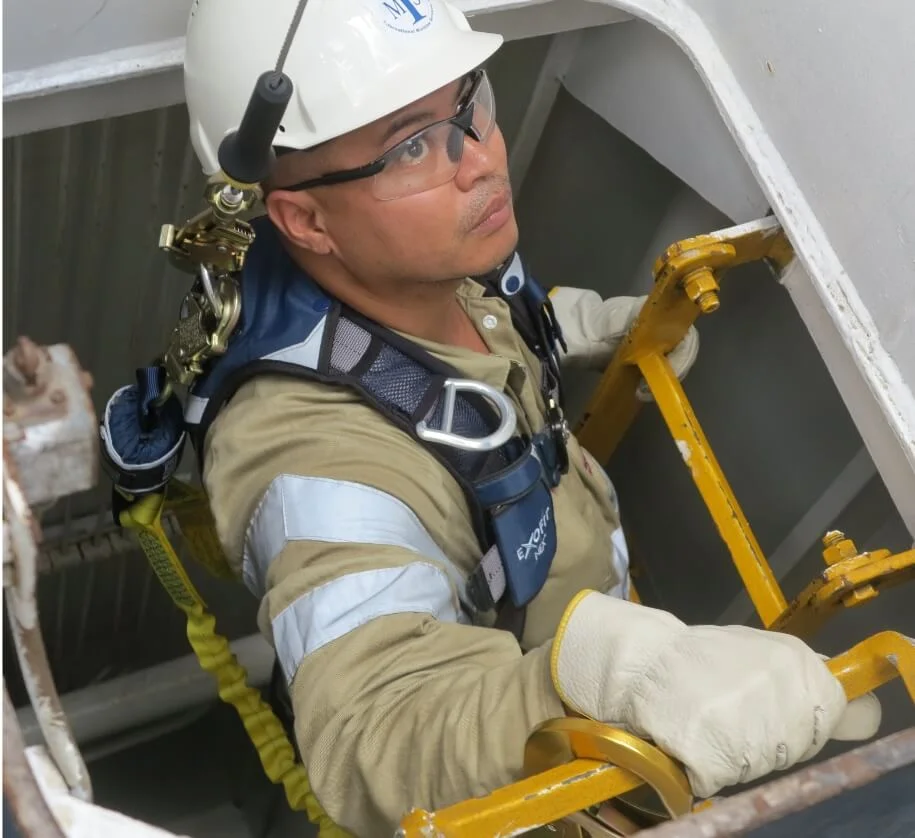
Getting your DPO certificate (Dynamic Positioning Operator certificate) is a key step for maritime professionals in the offshore industry. Yet many aspiring operators stumble over avoidable hurdles, such as mis-logging DP sea time, failing assessments, or misunderstanding scheme requirements. These mistakes can delay certification for months, or worse, force parts of the process to be redone.
This article identifies the top mistakes that can delay your DPO certificate and provides actionable advice to help you complete it more quickly.
Drawing on best practices aligned with SEA Maritime Services, you’ll gain clarity on how to navigate the certification journey more effectively and avoid common pitfalls.
Key Takeaways
- Foundations matter. Prioritize the induction course, pass the online assessment, and maintain a properly signed NI logbook.
- Use simulator-based training, especially the Sea Time Reduction (STR) course, to optimize your DP sea time.
- Staying on top of administrative requirements, such as company confirmation letters, logbook entries, and scheme deadlines, is critical.
- Plan ahead for revalidation/refresher courses so certification renewal is smooth and timely.
Mistake 1: Undervaluing the Induction Course and Assessment
Mistake: Treating induction as a checkbox, skipping prep for the online assessment, or assuming it’s purely theoretical.
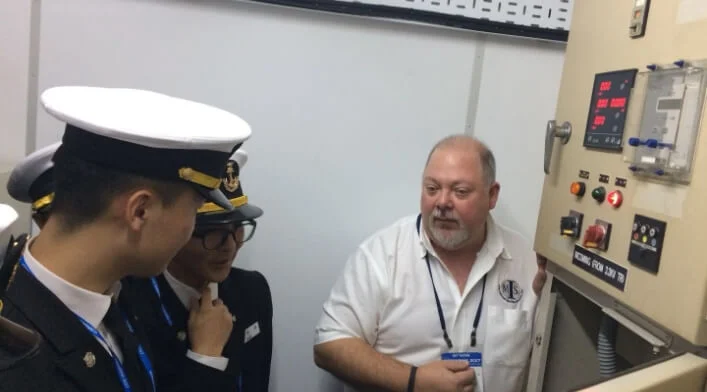
Why it matters: The DP Induction/Basic course typically lasts 5 days (28 hours), comprising more theory with guided practical sessions. Upon passing the online assessment (70% on a 40-question test), you receive the Nautical Institute (NI) logbook, which is your primary record for sea time, tasks, and the final Statement of Suitability.
How to do it right:
- Prepare thoroughly: review basic DP theory (systems, alarms, power, reference systems) ahead of time.
- Attend all classroom and practical sessions seriously.
- Take the online exam seriously. Ensure you understand the format, and rest well before exam day.
- Upon passing, record every subsequent sea time, task, and suitability section in the logbook. The logbook is essential: unlogged time does not count.
Mistake 2: Incorrect or Missing Sea-Time Logging
Mistake: Not logging your DP days properly (or leaving entries unsigned), or misunderstanding what counts as a DP day under the newer scheme.
Why it matters: Under the “new offshore scheme,” you need 120 DP days to qualify for certification. Each DP day requires at least two hours on the DP desk to count. Moreover, every log entry must be initialled and signed by the Master; unsigned entries are invalid.
How to do it right:
- Log daily (or as frequently as possible) in your NI logbook, even for short DP shifts.
- Confirm that every entry is initialled and signed by the vessel’s Master per page.
- Understand “passive” vs “active” time: Most training centers allow a maximum of 30 passive DP days in Phase B (before the simulator).
- Ensure that after simulator training (Phase C), at least 30 DP sea days remain on a classed DP vessel, and the Master must sign the Statement of Suitability.
Mistake 3: Ignoring the Four-Year Scheme Completion Limit
Mistake: Assuming you can take as long as you like to finish all certification phases.
Why it matters: Under the new scheme, you have four years from your Induction course date to complete all phases (A: Induction, B: Sea time, C: Simulator, D: Sea time, E: Statement of Suitability). If you exceed this period, any incomplete phase may need to be restarted.
How to do it right:
- From the beginning, chart out a realistic timeline: Induction → Sea time → Simulator → STR (if applicable) → remaining sea time → suitability.
- Coordinate with your company or vessel rotation schedule to ensure sea time aligns with your plan.
- Use on-demand course scheduling: DP courses are offered “when sufficient numbers of students are registered.”
- Regularly review your progress versus your four-year window to avoid surprises.
Mistake 4: Overlooking or Delaying Simulator Training
Mistake: Putting off the DP Simulator / Advanced course or treating it as optional.
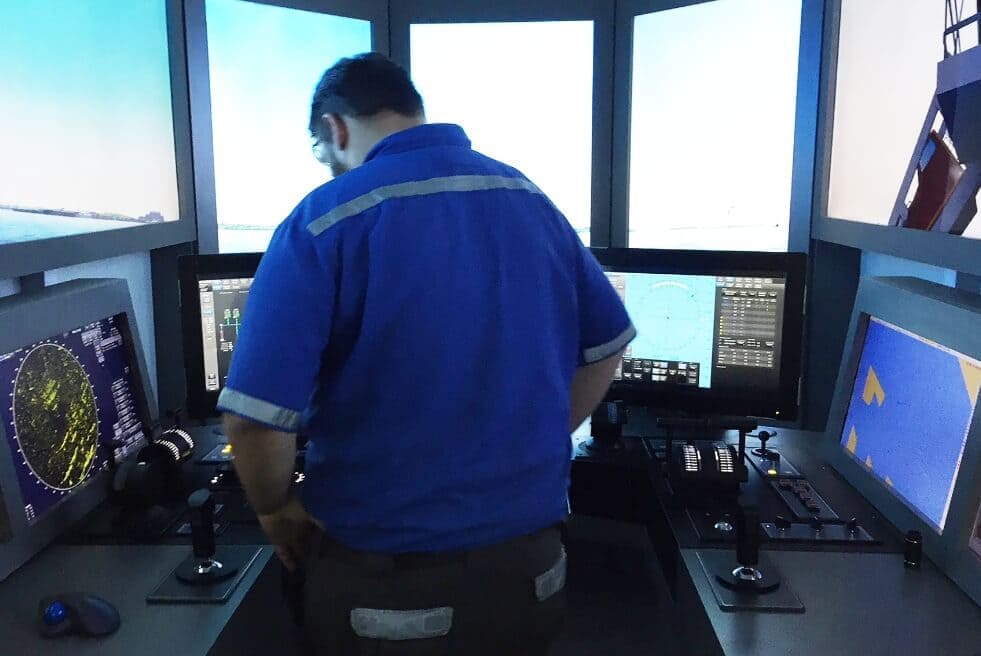
Why it matters: Simulator training is one of the most critical steps. For example, SEA Maritime Services’ simulator course is structured over 5 days, with approximately 70% of the time dedicated to practical exercises, covering system failures, alarms, and emergency scenarios. It builds working knowledge of the DP system, risk response, and operational decision-making.
How to do it right:
- Complete your simulator training as early as possible, ideally soon after some sea time.
- Engage fully in simulation exercises (faults, alarms, planning) rather than treating it as a checkbox.
- Prepare for the three-part assessment: practical setup, a one-hour online exam (70% pass), plus formative briefings/debriefings.
- Document successful completion in your NI logbook.
Mistake 5: Not Making the Most of Sea Time Reduction (STR)
Mistake: Failing to take the STR (Sea Time Reduction) simulator course even when eligible.
Why it matters: The STR course can reduce up to 30 DP days from your required sea time. That’s a significant saving — in time, cost, and risk.
How to do it right:
- After completing the Simulator Course (Phase C), enroll in the STR course. It can be done immediately after.
- Complete the practical, intense simulator sessions focused on DP station keeping, fault management, risk assessment, and system operations.
- Arrange for a company confirmation letter that verifies the simulator course and your subsequent sea time. Sea Maritimes Services and other centers require this letter for verification.
- After STR, do at least 30 DP sea-time days on a classed DP vessel, with the Master signing off the Statement of Suitability.
Note: STR cannot be used to upgrade from a Limited to an Unlimited certificate.
Mistake 6: Post-Certification: Skipping Revalidation or Refresher Training
Mistake: Believing your certification is “done forever” once you’ve earned it.
Why it matters: DPO certificates have a five-year validity period. To renew (revalidate) your certification, you must either log sufficient DP sea time or take a revalidation/refresher course.
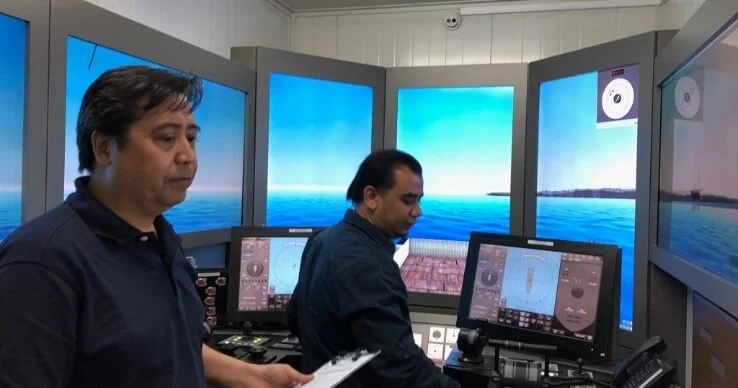
A Revalidation Without Sea-Time course (5 days, 34 hours) is suitable for DPOs who can’t meet the sea-time requirement. This includes an online (theory) and practical assessment. They can also take a DP Refresher & Competency Assessment Course (5 days / 34 hours), which covers rules, incident reviews, alarms, teamwork, and system failures.
How to do it right:
- Monitor your certificate’s expiration date and plan for revalidation well in advance. You can take the revalidation course up to 12 months before your revalidation date.
- If you don’t have enough sea time, enroll in the revalidation-without-sea-time course.
- Use the refresher course to not only maintain certification but also sharpen your risk assessment, system diagnostics, and continuous training habits.
Mistake 7: Administrative Mistakes: Documentation & Sign-Offs
Mistake: Neglecting proper documentation, such as missing confirmation letters, logbook errors, or invalid entries.
Why it matters: The NI requires a confirmation letter from your company confirming your sea time. Additionally, correcting mistakes in your logbook may also become a concern. White-out/correction fluid is not allowed. Corrections must be made by striking out with a single line, then having the Master initial next to the correction. Errors, unsigned entries, or missing documentation can lead to rejected applications.
How to do it right:
- Request from your company a confirmation letter template early in your certification process.
- Make entries in your NI logbook neatly and legibly. Avoid correction fluid: instead, cross out, correct, and have the Master sign beside each correction.
- Ensure each DP sea-time page is signed and initialled.
- Keep communication lines open with your company’s DP operations or compliance team to ensure they are aligned with what the NI requires.
Mistake 8: Using the Wrong Certification Scheme
Mistake: Training under an outdated or mismatched DPO certification scheme.
Why it matters: Candidates who start under the old scheme cannot carry over all sea time or courses into the new scheme. When you transfer, your induction course may be accepted; however, sea time and simulator training must still be completed under the new scheme, and you have only four years from the induction date to complete them.
Moreover, new-scheme logbooks are required for valid certification under the updated requirements.
How to do it right:
- Confirm with your training provider that you are enrolling in the new NI offshore scheme.
- Request and use the correct NI logbook from the induction period.
- Follow the mandatory phase order: Induction → Phase B (DP sea time) → Simulator → Phase D (more sea time) → Statement of Suitability.
Mistake 9: Overlooking Training for Technical Staff (DPVM)
Mistake: Thinking DP certification only applies to deck officers and ignoring engineers or ETOs who support DP systems.
Why it matters: The Dynamic Positioning Vessel Maintainers (DPVM) course is designed for engineers, ETOs, technical personnel, shore staff, and non-deck departments. The course lasts 5 days (minimum 34 hours), and includes theory, practice, an online exam, and a practical exam. Understanding DPO responsibilities from a technical perspective improves risk assessment, system troubleshooting, and team collaboration on DP vessels.
How to do it right:
- If you’re in a technical role, enroll in the DPVM course early to build system-level competence.
- Use the training to strengthen your working knowledge of position reference systems, power distribution, alarms, and thruster systems.
- Communicate with your employer about the benefit: trained technical staff help support safe DP operations and compliance.
Mistake 10: Neglecting Emergency Handling and Risk Management Skills
Mistake: Skipping specialized training in emergency shiphandling, faults, or system failures.
Why it matters: DP operations carry inherent risk. DP Emergency Shiphandling Course (4 days, 28 hours) combines classroom theory with simulator-based handling of realistic emergency scenarios: system failures, alarm management, and close-quarter maneuvering. These are critical skills not only for the safety of the vessel but for demonstrating your DPO’s ability to respond under pressure.
How to do it right:
- Take the emergency shiphandling course after you’ve built some sea time or completed simulator training.
- Focus on simulated emergencies: failures, alarms, and fault recovery.
- Learn to conduct risk assessments, use checklists, and communicate effectively with the bridge team.
- Apply what you learn on real vessels to strengthen your risk management, audit readiness, and DP governance mindset.
For more precise guidance on DP courses, sea-time rules, simulator requirements, revalidation, and application support, you can read more on our comprehensive FAQ page.
Strategic Roadmap to Accelerate Your DPO Certification
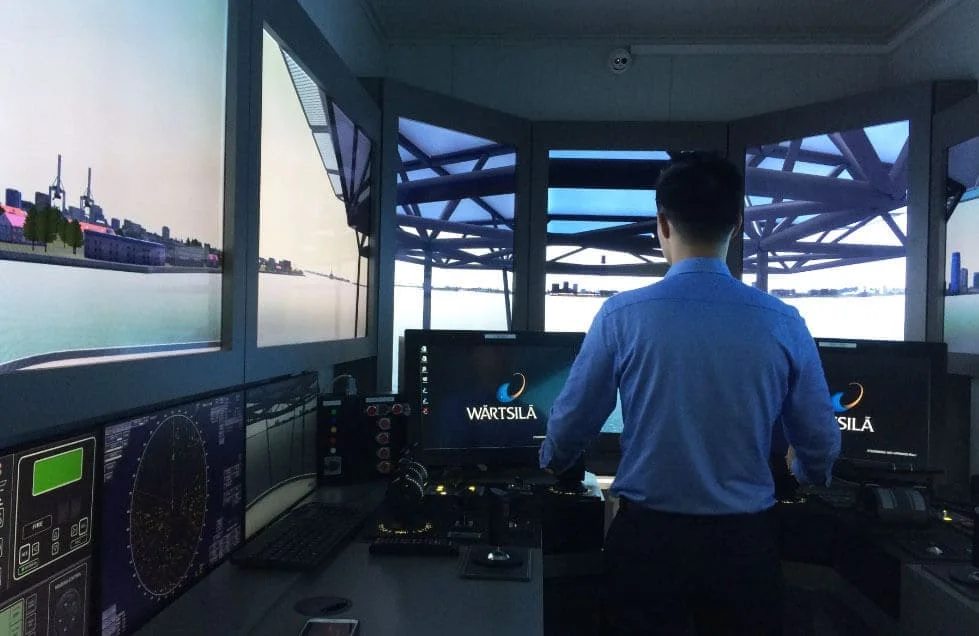
Putting it all together, here’s a recommended plan tailored to help you complete your DPO certification smoothly, on time, and in compliance with NI and Sea Maritimes Services-recognized best practices:
- Enroll in SEA Maritime Service’s Induction / Basic Course (5 days) immediately.
- Prepare & pass the online induction assessment (70%) → receive your NI logbook.
- Begin logging DP sea-time, ensuring every entry is correctly documented and signed.
- Sign up for the DP Simulator / Advanced Course (5 days), complete all assessments.
- If eligible, take the STR Course (5 days) right after simulator training.
- After STR, complete your remaining sea time (minimum 30 days) on a classed DP vessel with Master’s sign-off.
- Secure a company confirmation letter in the correct format.
- Submit your application to The Nautical Institute (using your logbook, confirmation letter, and Statement of Suitability).
- Before certification expires (5 years), plan ahead for revalidation: either through sea time or the Revalidation / Refresher Course (5 days).
- For technical staff: Enroll in the DPVM Course to gain a deeper understanding of DP systems.
- Take the Emergency Shiphandling Course to strengthen your risk management and operational resilience.
Why Choosing a Reputable Training Partner Matters
While the advice above is broadly applicable, aligning with a Nautical Institute–accredited center like SEA Maritime Services lets you:
- Train on Class A and Class C simulators, giving you hands-on exposure to realistic DP system behavior.
- Learn directly from captains and engineers with real-world DP vessel experience, which lets you bridge the gap between theory and practical risk management.
- Access containerized/mobile simulator systems, letting your company run training at its own location to reduce costs and avoid logistical delays.
- Complete all required DP courses in one place, letting you follow the full NI-approved pathway—from Induction to Simulator, STR, Revalidation, DPVM, and Emergency Handling—without disruption.
- Receive strong administrative support, letting you avoid documentation errors through proper logbook issuance, confirmation letter templates, and scheme-specific guidance.
Earn Your DPO Certificate Faster
Delays in earning your DPO certificate are often not due to a lack of effort or competence, but rather preventable missteps. By avoiding these top mistakes and following a clear, strategic roadmap, you can accelerate your path to certification.
Working with an accredited training centre like SEA Maritime Services ensures that you receive structured guidance, accurate documentation support, and high-quality training that keeps you aligned with the Nautical Institute’s requirements.
If you’re ready to accelerate your certification, strengthen your DP skills, and stay compliant throughout the process, our team is here to help.
Contact us today to begin your DPO certification journey with confidence.
Category
Related Article
-
 December 10, 2025
 -
December 10, 2025
Recent Article
-
December 10, 2025
-
December 10, 2025
Popular Article
-
February 20, 2020
-
February 20, 2020
-
February 20, 2020
-
February 20, 2020
-
June 26, 2025