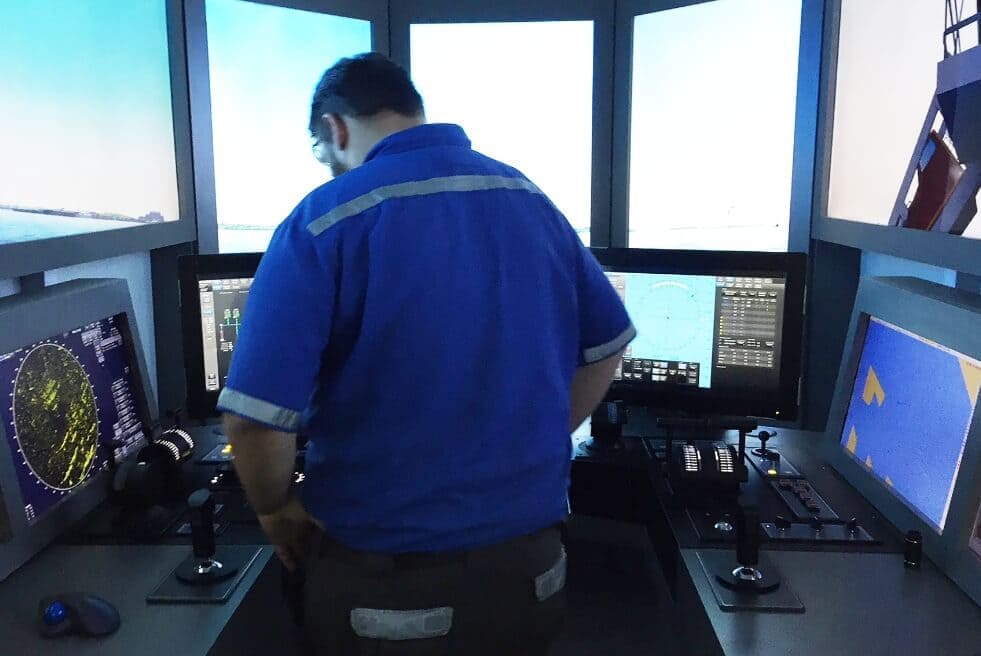
Understanding Simulated Operations in the DP Simulator Course
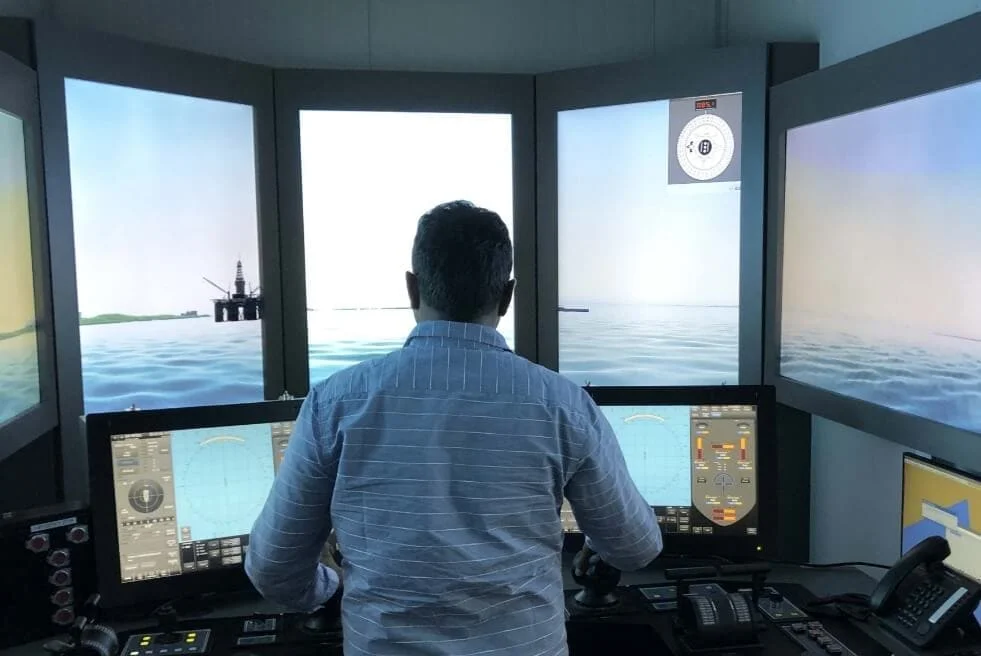
As DP vessels become more advanced, the industry requires deck officers, engineer officers, and trainee Dynamic Positioning Operators (DPOs) to possess a solid understanding of DP systems, position reference systems, DP alert status alarms, emergency procedures, and the practical operation of dynamic positioning under real-world working conditions.
DP Simulator Course builds these skills by immersing trainees in realistic simulated DP operations, covering normal, degraded, and emergency scenarios, to strengthen decision-making, risk assessment, and correct operational behavior.
Key Takeaways
- Simulated DP operations provide hands-on, risk-free training in typical operations, failures, alarms, and degraded conditions, preparing future DPOs for real-world scenarios.
- The DP Simulator Course connects theory with practice, guiding participants through project specifications, contingency planning, system failures, and effective use of position reference systems.
- It focuses on practical exercises, competency assessment, and DP watch routines to help candidates meet DP logbook requirements and progress toward a Nautical Institute-recognized DPO Certificate.
- The course is valuable for deck officers, engineer officers, offshore personnel, and anyone completing DPO training, including those aiming to reduce DP sea time or strengthen DP vessel maintenance and simulator skills.
Why Simulated DP Operations Matter in Dynamic Positioning Training
Dynamic positioning training must go beyond theory. Offshore DP vessels rely on advanced dynamic positioning systems, associated position reference systems, DP alert status alarms, and emergency procedures—all of which require practical skills that can only be developed through realistic exercises.
A DP Simulator Course provides this environment by recreating typical DP operations, equipment faults, degraded conditions, and emergency status events in a safe, controlled setting. It aims to train maritime professionals to:
- Apply knowledge from the DP Induction Course and previous DP sea time
- Practice operational planning for various DP tasks
- Set up the DP system correctly for different scenarios
- Perform trend analysis and monitor system behavior
- Communicate effectively during DP operations
- Identify hazards and conduct risk assessments
- Respond correctly to alarms, warnings, faults, and failures
By implementing this hands-on method, trainees can strengthen their confidence and support proper behavior before joining an actual DP watch schedule.
Who Benefits Most from a DP Simulator Course
The course is designed for professionals involved in dynamic positioning operations who require both practical operational skills and theoretical sessions. It is particularly valuable for:
- Deck officers, engineer officers, and trainee Dynamic Positioning Operators completing the DP training pathway
- Offshore personnel supporting subsea construction, cable laying, drilling, renewables, and other DP operations
- Maritime professionals seeking DP sea time reduction, DP vessel maintenance competency, or refresher training
- Individuals working toward Nautical Institute or IMCA compliance and fulfilling DP logbook requirements
Because these roles rely heavily on DP systems and correct behavior under pressure, the simulator course has become a standard requirement across the international marine sector.
Course Structure: Training Methodology, Duration, and Learning Flow
Many accredited providers align their training with the Nautical Institute’s Dynamic Positioning Framework. The program typically runs for five days, with around 30% theory and 70% simulator-based practical exercises.
Training focuses on the practical aspects of DP operations, including planning, conducting DP tasks, analysing trends, and reacting to alarms and failures. Participants learn to set up the DP system for different operations, operate communications, and apply ASOGs during scenarios that mirror real offshore conditions.
Successful completion enables participants to progress toward DP sea time and continue their path toward the Dynamic Positioning Operator Certificate.
Key Components of Simulated DP Operations
A well-designed DP Simulator Course exposes trainees to the operational, technical, and emergency challenges they will encounter offshore. Each module builds the skills necessary for safe and confident DP watchkeeping.
Dynamic Positioning Systems & DP Control
Trainees strengthen their understanding of how DP systems behave during real operations. Simulator sessions typically include practice with:
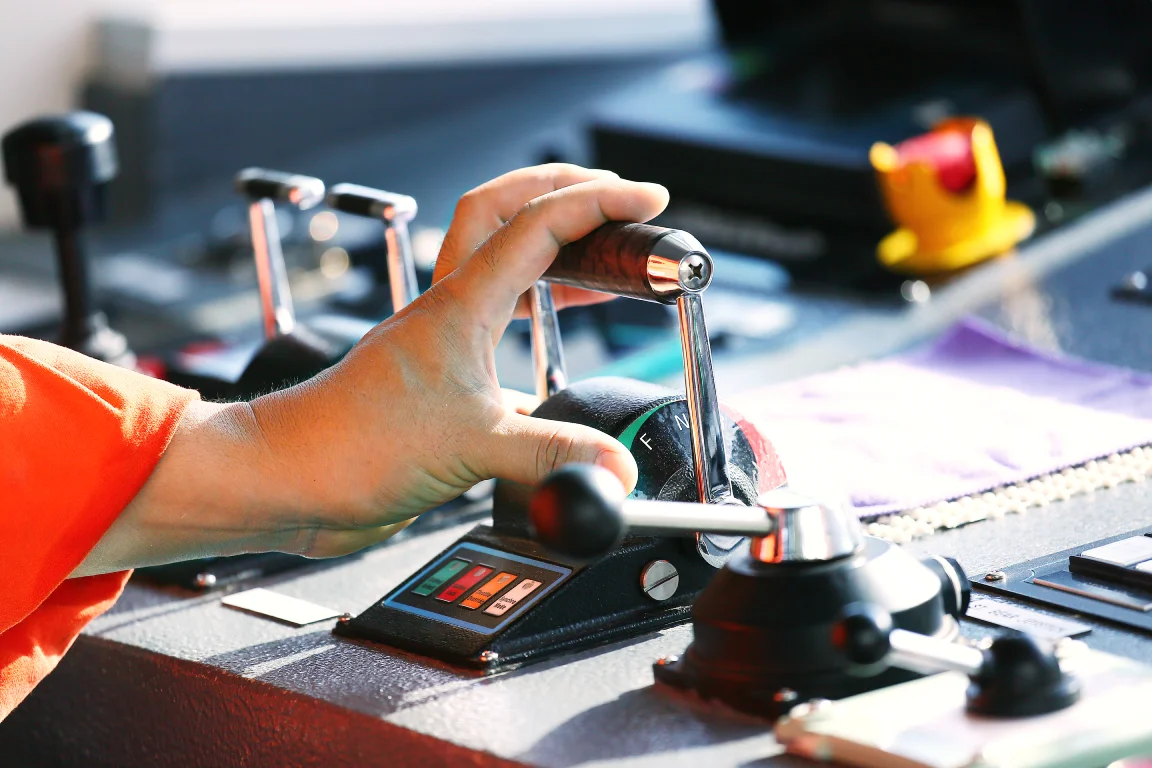
- Core DP control functions used in offshore operations
- System setup for different tasks and environmental conditions
- Vessel capability understanding and trend monitoring
- Discussions on equipment faults, warnings, and system failures
These fundamentals ensure participants are ready for the scenario-based exercises that follow.
Position Reference Systems & Associated Sensors
While exact tools vary by provider, simulator training generally exposes participants to:
- Using and cross-checking position reference inputs
- Monitoring the reliability of sensor and reference data
- Understanding how reference errors can affect vessel positioning
This helps trainees maintain stable DP control during challenging operational or environmental conditions.
Practical Exercises for Offshore Operations
The simulator recreates realistic dynamic positioning operations similar to those carried out by international marine and offshore vessels. Exercises may include:
- Maintaining position in shallow and deep water
- Supporting subsea, drilling, or field-development activities
- Conducting DP-assisted transits and approach/hold-position tasks
- Planning DP operations based on typical project requirements
Participants learn to translate operational plans into safe and executable DP procedures.
Emergency Procedures & Degraded Conditions
Most DPO simulation courses place a strong emphasis on handling faults and failures. In the simulator, trainees practice:
- Reacting correctly to DP alarms, warnings, and abnormal trends
- Identifying and discussing system failures as they occur
- Performing contingency planning and hazard identification
- Operating the DP desk both under normal and pressured conditions
- Deciding the appropriate course of action based on system status
Repeated exposure builds the decision-making behavior expected of a competent Dynamic Positioning Operator (DPO).
DP Watch Schedule & Operational Documentation
Although details vary across DP programs, simulator courses commonly reinforce essential watchkeeping practice, including:
- Clear communication and teamwork on the DP bridge
- Maintaining situational awareness during evolving operations
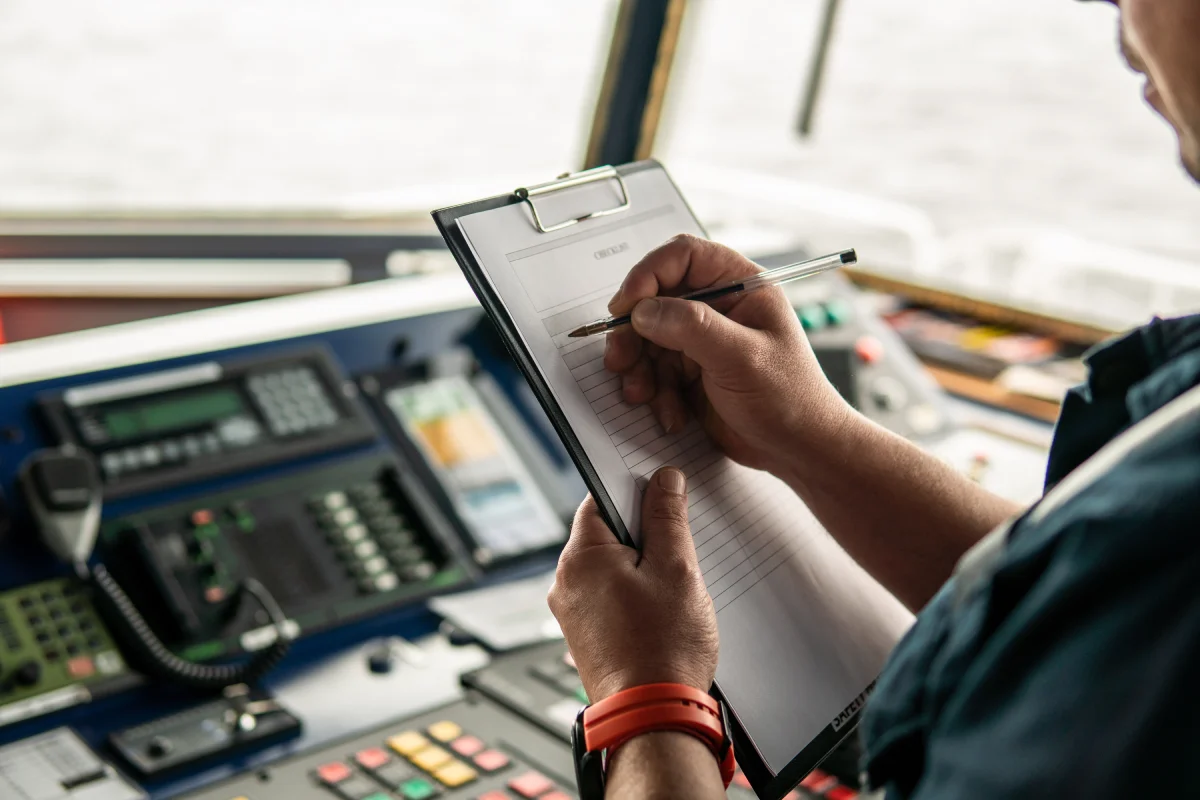
- Completing operational records, checklists, and logs relevant to DP activity
These competencies prepare trainees for the documentation and communication standards required on real DP vessels.
Assessment, Logbooks, and Successful Course Completion
A DP Simulator Course plays a crucial role in the comprehensive DP training pathway for individuals pursuing the Dynamic Positioning Operator (DPO) Certificate under the Nautical Institute framework. This structure aligns with international data protection, safety, and training standards in the marine industry.
Practical and Online Assessment
Accredited providers such as SEA Maritime Services conduct a structured assessment process that includes:
- a DP system set-up practical assessment during the course,
- a one-hour online exam with a required passing score, and
- continuous formative evaluation through instructor feedback, briefings, and debriefings.
These assessments confirm a trainee’s ability to operate DP systems, manage risk, respond to alarms, and take correct actions during operational or simulated data breach incidents in system performance (e.g., sensor failures or loss-of-reference signals).
Training Records and Course Documentation
Trainees are expected to maintain the DP training log required by the Nautical Institute. This supports evidence of course completion, compliance processes, and the trainee’s ability to identify risks, follow data protection policies, and maintain proper documentation of simulated offshore business functions.
Progress Toward the DPO Certificate
After successfully completing the DP Simulator Course and passing all assessments, the training centre issues an official certificate of course completion. Graduates may then proceed to:
- accumulate additional DP sea time,
- complete operational tasks required by the NI scheme, and
- prepare their submission for the DPO Certificate.
The simulator training is therefore a central milestone in offshore DP operations, particularly in scenarios involving alarms, system failures, or potential data breaches affecting control systems.
How Simulator Technology Enhances Training
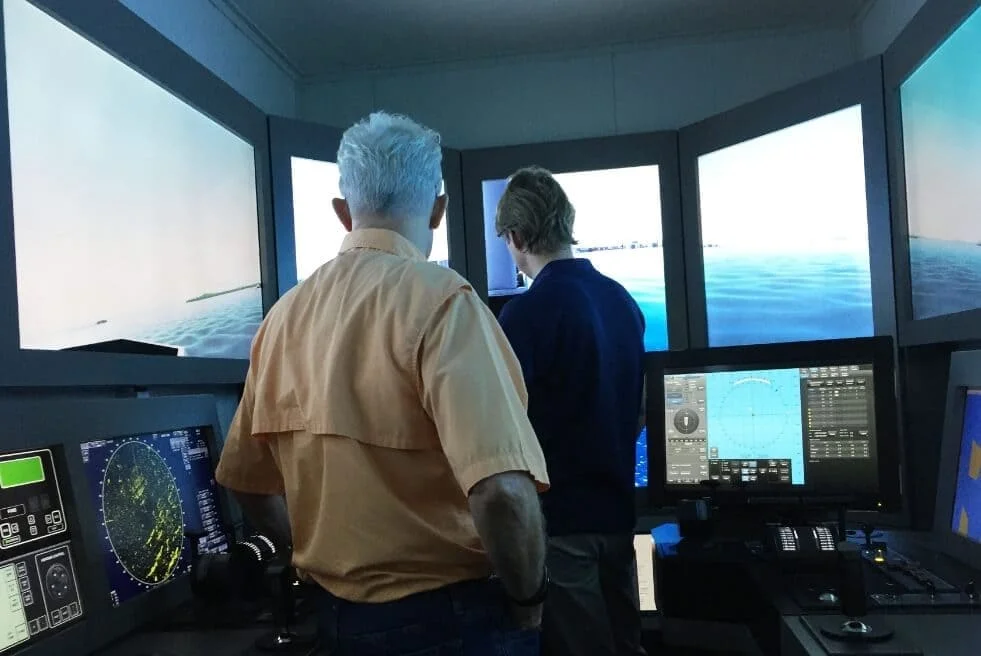
Modern dynamic positioning simulator systems utilize high-fidelity simulators to replicate realistic DP operations. Trainees engage in scenario-based training that includes faults, failures, alarms, and emergency procedures.
Simulator Equipment and Instructor Stations
Advanced DP simulators include:
- Instructor station controls for scenario management
- Realistic DP consoles and control panels
- Integrated technical manuals used in exercises
- Fault-insertion tools to simulate degraded status
- Model-based vessel behavior in various sea states
- Configurations for special functions, such as follow target, auto track, and ROV support
These tools enable instructors to replicate real offshore challenges.
Benefits of Simulation Technology
High-fidelity simulation provides training advantages that cannot be replicated onboard. It enables:
- Faster skill development through repeated run-throughs of realistic DP scenarios
- Zero operational or environmental risk, even when practicing in hazardous situations
- Safe exposure to rare but critical events, such as system failures, reference loss, or emergency disconnects
- Stronger decision-making under pressure, supported by structured scenario progression
- Standardized competency assessment, ensuring every trainee is evaluated against the same operational challenges
- A controlled learning environment where errors can be paused, reviewed, and corrected immediately
Collectively, these benefits reinforce both the theoretical understanding of dynamic positioning systems and the practical operation skills required for safe offshore DP operations.
Industry Standards and International Guidance
DP training and simulated operations must align with recognized global standards. Key organizations include:
- The Nautical Institute (NI) – oversees the DPO certification scheme
- International Marine Contractors Association (IMCA) – provides operational guidance and best practices
- International Maritime Organization (IMO) – sets global maritime safety conventions
By aligning with these bodies, training providers ensure that their simulator course meets international expectations for safety, competence, and vessel capability.
Master Simulated DP Operations to Accelerate Your DPO Certification
DP simulated courses are a crucial component of developing real-world competence on DP vessels. Through high-fidelity scenarios, emergency drills, and hands-on practice, trainees develop the skills and decision-making required to operate dynamic positioning systems safely, whether in normal conditions or during equipment failures and alarms.
If you are advancing from the DP Induction Course, entering Phase C, or working toward full DPO certification, simulator training remains one of the fastest and most reliable ways to meet DP logbook requirements and strengthen your offshore readiness.
Ready to progress your DP career?
Enroll in the DP Simulator (Advanced) Course with Sea Maritime Services and gain the practical competence needed for your DPO pathway.
Category
Related Article
-
 December 10, 2025
 -
December 10, 2025

Recent Article
-
December 10, 2025
-
December 10, 2025
Popular Article
-
February 20, 2020
-
February 20, 2020
-
February 20, 2020
-
February 20, 2020
-
June 26, 2025